
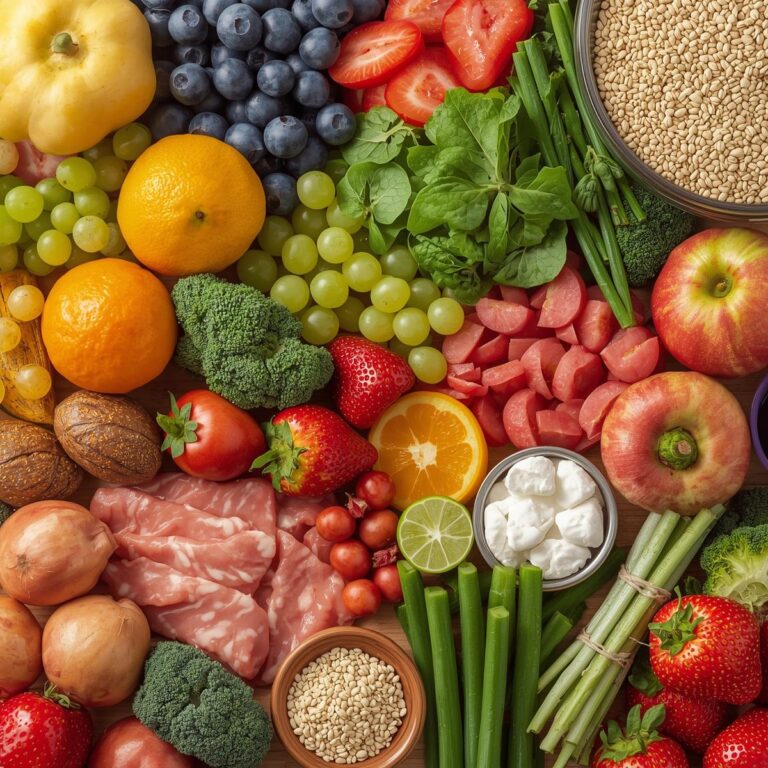
Come and join us April 17th to enjoy a talk on General Nutrition Guidelines.
We talk about everything from understanding carbohydrates (and why we NEED them), to different cooking oils and myths about nutrition!
Welcome to a comprehensive guide on nutrition guidelines! In this blog post, we’ll explore the fundamental principles of healthy eating, with a focus on carbohydrates, fats, and practical tips for making informed food choices. Understanding these guidelines is crucial for maintaining optimal health and well-being.
Understanding Carbohydrates |
Carbohydrates are a primary source of energy for the body. They are broken down into glucose, which fuels our cells, tissues, and organs. However, not all carbohydrates are created equal. It’s important to distinguish between simple and complex carbohydrates.
- Simple Carbohydrates: Found in sugary drinks, processed foods, and refined grains (white bread, white rice). These provide quick energy but can lead to energy crashes and potential health issues if consumed in excess.
- Complex Carbohydrates: Found in whole grains (brown rice, quinoa, oats), fruits, vegetables, and legumes. These are digested more slowly, providing a sustained release of energy and are rich in fiber, vitamins, and minerals.
Recommendation: Prioritize complex carbohydrates over simple carbohydrates. Aim to get most of your carbohydrates from whole, unprocessed foods.
Fats: Essential for Health |
Fats are often misunderstood, but they are crucial for various bodily functions, including hormone production, nutrient absorption, and cell structure. The key is to choose the right types of fats.
- Saturated Fats: Found in animal products (red meat, butter, cheese) and some plant-based oils (coconut oil, palm oil). High intake of saturated fats can raise LDL (bad) cholesterol levels, increasing the risk of heart disease. Consume in moderation.
- Unsaturated Fats: Found in avocados, nuts, seeds, olive oil, and fatty fish (salmon, tuna). These fats are beneficial for heart health and can help lower LDL cholesterol levels. Unsaturated fats are further divided into:
- Monounsaturated Fats (MUFAs): Olive oil, avocados, nuts.
- Polyunsaturated Fats (PUFAs): Fatty fish, flaxseeds, walnuts. PUFAs include omega-3 and omega-6 fatty acids, which are essential for brain function and overall health.
- Trans Fats: Primarily found in processed foods, fried foods, and baked goods. Trans fats are detrimental to health and should be avoided as much as possible.
Recommendation: Focus on incorporating unsaturated fats into your diet while limiting saturated and trans fats. Enjoy fatty fish a couple of times a week and use olive oil as your primary cooking oil.
Practical Tips for Healthy Eating |
|
Stay Hydrated: Drink plenty of water throughout the day. Sometimes thirst is mistaken for hunger, leading to unnecessary snacking. Limit Processed Foods: Focus on whole, unprocessed foods such as fruits, vegetables, whole grains, lean proteins, and healthy fats. Reduce intake of fast food, sugary drinks, and packaged snacks. |
Plan Your Meals: Planning meals in advance reduces the likelihood of unhealthy impulsive choices. Read Food Labels: Pay attention to serving sizes, calories, macronutrient ratios, and ingredient lists. Look out for hidden sugars, unhealthy fats, and excessive sodium. |
Embrace a Balanced Diet |
Ultimately, healthy eating is about balance and moderation. Focus on incorporating a variety of nutrient-dense foods into your diet and making sustainable lifestyle changes. By understanding the roles of carbohydrates and fats, and by implementing practical tips, you can pave the way for better health and well-being. Remember to consult with a registered dietitian or healthcare professional for personalized nutrition advice.